
How Service Businesses Should Market in 2026: A Buywell Case Study
Service businesses sell trust. Buywell Group, a Brisbane buyer’s agency, knew the property market better than almost anyone when we started working together in July 2025, but almost none of that expertise was showing up online. This is what changed, how we did it, and the game plan if you want to try it in your own business.
The results
Since July 2025, by the numbers
| Since we started | |
|---|---|
| Views and impressions across platforms | 165,000+ |
| Instagram Reel views | 87,500+ (from 205 posts) |
| LinkedIn impressions and clicks | 33,000 impressions, 3,300 clicks |
| Google Business Profile views | 3,300, plus 630 direction requests |
Before and after
Instagram, comparing the 16 months before we started with the period I was running Buywell’s socials (July 2025 to April 2026):
| Before | With Bris.Social | |
|---|---|---|
| Posts per month | 2.8 | 13.3 |
| Share of posts that are Reels | 22% | 50% |
| Reel views per month | ~280 | ~5,600 (about 20x) |
| Reels over 2,000 views | 0 | 5 |
| Best-performing Reel | 1,293 views | 5,855 views |
Across the rest of the business:
- Google Business Profile views roughly doubled, from about 105 a month to about 218, with views from Google search up from 81 to 179 a month.
- LinkedIn followers grew 62%, and monthly impressions went from almost nothing to between 2,000 and 4,800.
- The breakout moment: a capital gains tax explainer reached more than 30,000 views across Instagram and TikTok.
“Demetri manages our social media presence and handles all of our filming and he does both exceptionally well. He understands our brand, understands what we’re trying to communicate, and consistently delivers content that actually performs.” Tim Gaynor, Buywell Group
“They have an unmatched ability to enable our brand and personalities to really resonate through the content. Experienced. Personable. Directive yet not controlling.” Brodie Wilson, Buywell Group
A business that keeps evolving
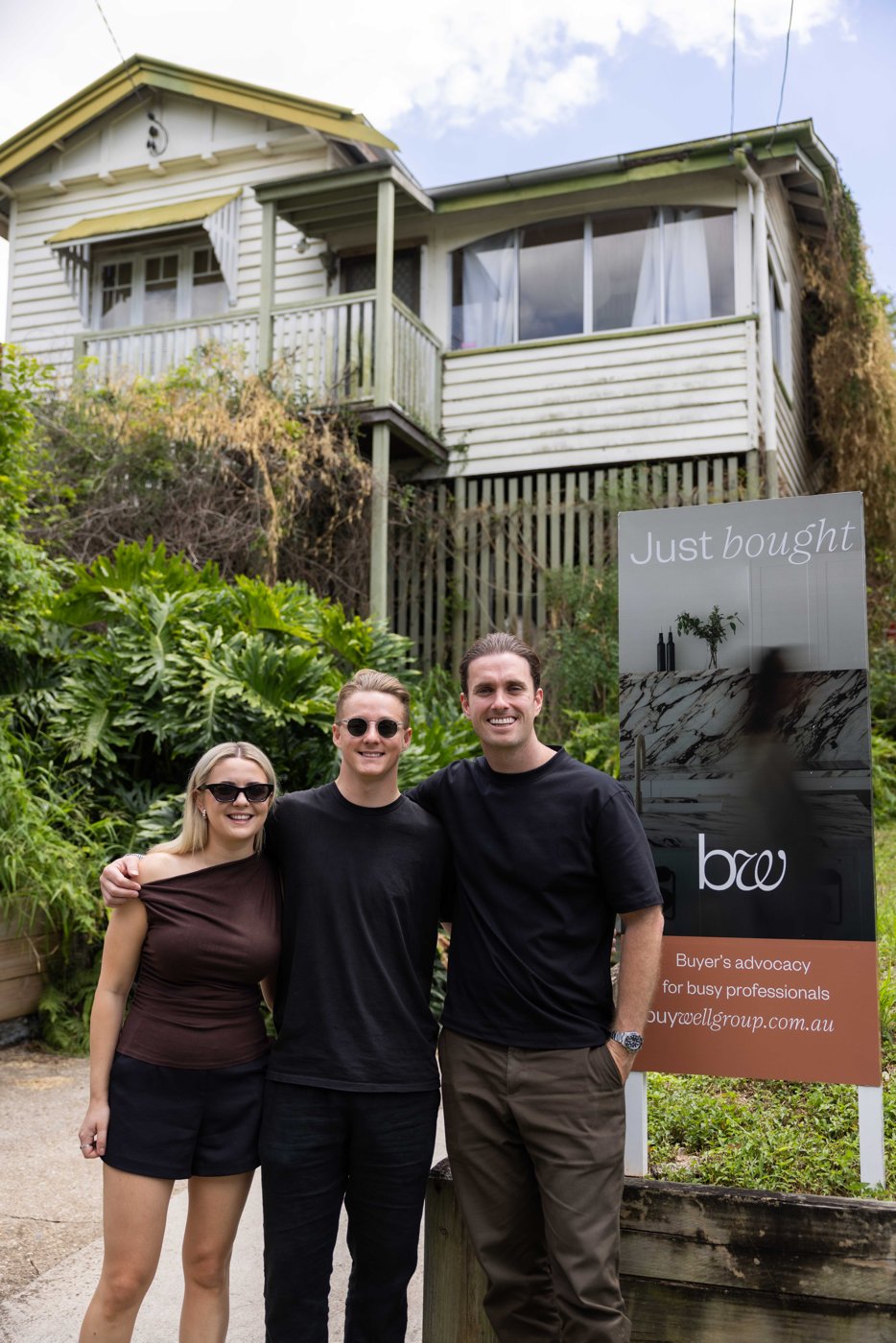
When we started, the content focused on residential purchases. As we got to know Buywell’s clients, we split it into two clear funnels, one for investors and one for owner-occupiers, because they want completely different things. Then we added regular market insights and analysis.
Buywell’s business has kept evolving too. They noticed points in their clients’ journey where people had to go elsewhere, so they built those services in-house:
- Rentwell, managing investment properties after purchase, so clients don’t need a separate property manager.
- Precision Projects, a renovation and property improvement business that adds value to the properties clients buy, from cosmetic updates to new bathrooms.
- Commercial acquisitions, helping investors buy commercial property.
All of this has happened against a run of major government policy changes that kept the market moving. My job has been to keep telling that story as it unfolds: communicating each shift, launching a new funnel for every new service, and keeping Buywell’s growth visible to the people it serves.
How we did it
The engine: film every week
The single biggest factor is frequency. We film weekly. We don’t wait for something to happen, and we’re never scrambling for content. Every week we look at what’s working, what isn’t, and what’s happening in the industry that Buywell can speak to.
Credibility first
We didn’t go chasing views on day one. First, we told Buywell’s story: who they are, how they work, and why they do it differently. We introduced the people, explained the buying process and shared real client outcomes, consistently, week after week. That built trust in the brand and in the people behind it.
An audience for every speciality
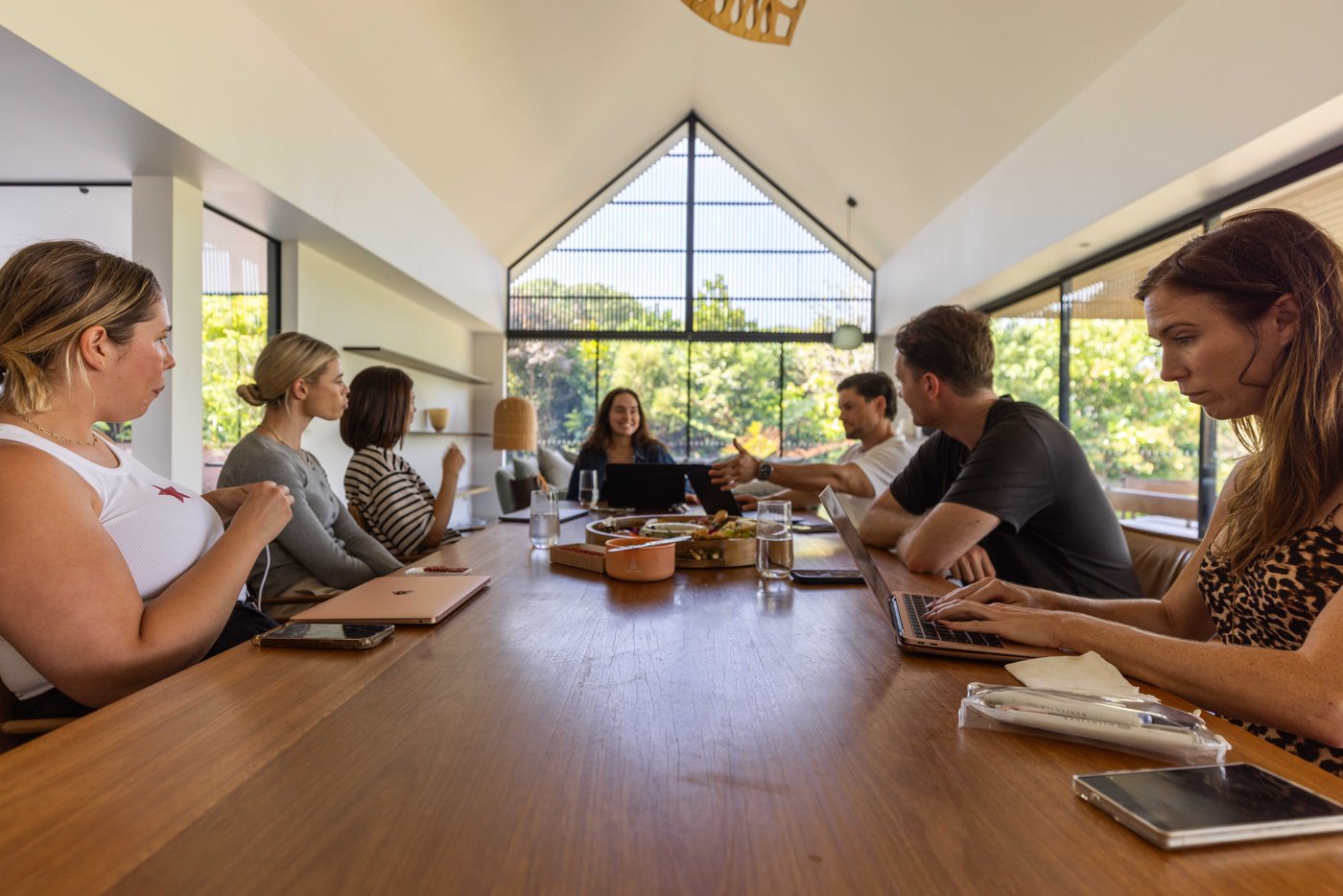
A service business is its people. So alongside Buywell’s own page, we identified the talent in the team and built an audience around each person’s speciality. Tim is the voice of Buywell, taking on the topical moments and the success stories. Maddison connects with what buyers really want from a home and the feelings behind the decision. Brodie leads the investor side, getting into the detail with real case studies for people who want to go deep.
Then ride the conversation
Once credibility was solid, we started going after bigger moments. When the RBA moves rates, the Budget lands or the Prime Minister announces a housing policy, Buywell has a clear take out while people are still searching for answers. We use trending formats, like reacting to a clip of the announcement and unpacking what it really means or where it contradicts itself, to reach audiences already gathered around those moments. When it’s topical, I’ll often edit and turn a Reel around the same day.
This is where the big view counts came from. It worked because the credibility work had already given people a reason to trust Buywell when they found them.
Then add paid media
Only after the organic content had earned real credibility, for the brand and for Tim personally, did we add a paid media layer. Ads work far better when the people who see them can click through to a profile full of genuine expertise.
Direction on set
I don’t just turn up, film and leave. While we’re shooting, I’m watching how each message is landing and coaching delivery, from pacing and cadence to how a point opens and closes, so everyone comes across confident and natural. It’s part filmmaking, part media training, and it’s a big reason the team trusts the process.
Making the team content creators too
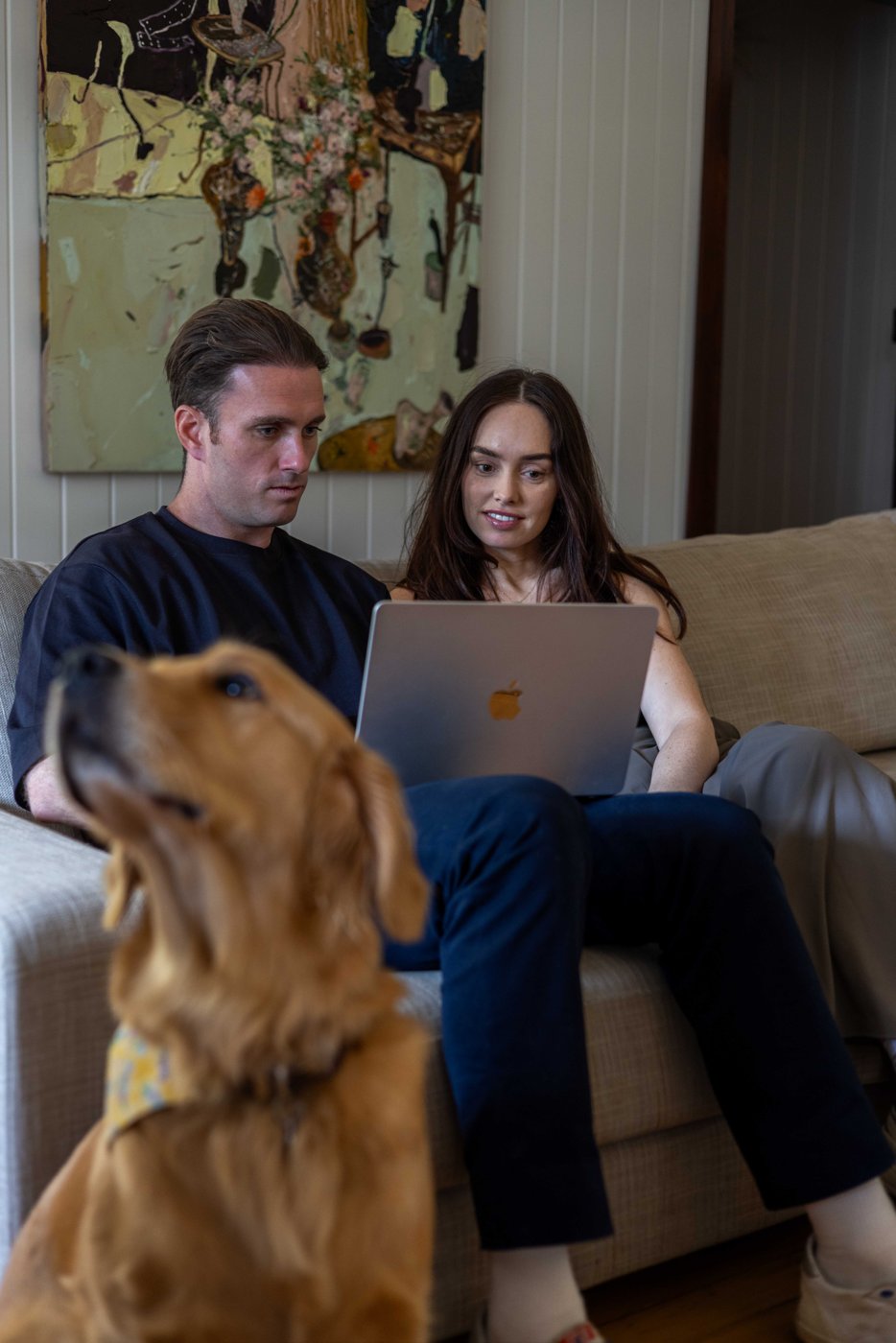
I tell every client the same thing: I should be one part of your content plan, not all of it. I encourage the Buywell team to keep creating on their own: quick phone videos, Stories, check-ins from a property or the office. They send ideas and drafts my way, I give feedback and notes, and we’re constantly brainstorming what they could try next. I’m the quality and authority layer, but the goal is a team that’s confident creating content every day, not just on shoot days.
Why it really works
Buywell gets it. Tim and the team are genuinely invested in their marketing. They bring ideas, I bring ideas, and we’re in constant conversation about what to try next. They trust me to make sure their ideas land the way they intend. That kind of partnership is what turns content from a cost into a reputation.
The game plan: how you could do this
If you run a service business, here’s the playbook I’d follow.
- Find what each person does best. Who’s confident, competent and capable on camera, and what do they know inside out? Their story, their credentials, their expertise. Overlap is fine. Play to strengths.
- Spend the first few months on credibility. Introduce the people, explain how you work and share real client outcomes. Post two to three times a week, every week.
- Film in a weekly batch. Block the same half-day each week. Batching keeps you consistent and leaves room for timely content.
- Create on the fly between shoots. Phone videos, Stories and quick check-ins keep the feed human and fill the gaps. Polished content and casual content work best together.
- Build a topical workflow. Keep a calendar of predictable moments (rate decisions, the Budget, policy announcements) and a plan for reacting within hours, not days.
- Split your funnels. Different customers need different content. Buywell’s investor content and owner-occupier content are two separate conversations.
- Add paid only when the profile can convert. Promote your best organic pieces and retarget people who’ve already engaged.
- Review monthly. Look at reach, profile visits and enquiries, not just likes. Do more of what works.
What it takes
Be realistic about the time. Running this properly means roughly a half-day of filming every week, around 10 to 12 hours of editing, a few hours of strategy and planning, and time for posting and community management. For most service businesses, that’s 15 to 20 hours a week of skilled work.
If you have the time and the team, go for it. The playbook above works.
If you’d rather have a partner run it with you, this is exactly what I do. A partnership at this level (weekly filming, strategy, editing, social management and direction on set) sits in my Creative Partner tier, from $10,000 a month. See the full packages and pricing, or let’s talk about what it could look like for your business.
Data: public Instagram data pulled 11 October 2026, and Metricool analytics for LinkedIn, TikTok and Google Business Profile (July 2024 to September 2026). Views are as reported by each platform. Comparison periods: before (March 2024 to June 2025), with Bris.Social running socials (July 2025 to April 2026).